· 5 min read
The Ultimate Nutrition and Supplement Guide for Freediving Conquest 🐠
This guide helps you understand key nutrients and best dietary practices for freedivers. Also recommends beneficial supplements and foods to avoid.
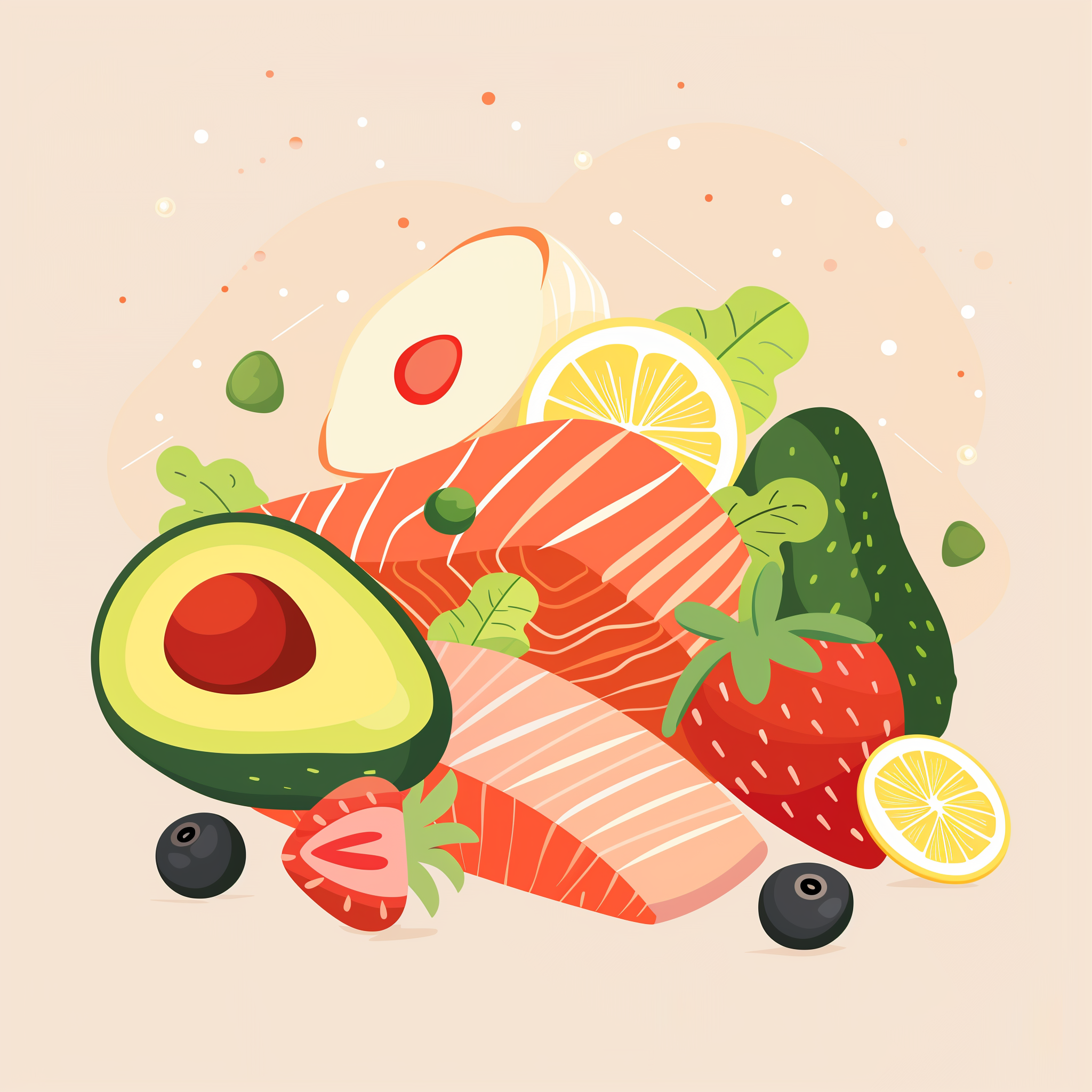
Let’s Start 🌊
Freediving isn’t just about breath-holding 🌬️ but tuning and training our body to be suitable for holding breath underwater for long periods. Whether you are a chill diver enjoying coral reefs 🐠 or a competitor diving for depth 🏆, the food we eat and supplements we choose affect our diving performance. Believe me! This guide will help you understand the best nutritional practices and supplements to boost your freediving efficiency 💪.
Role of Nutrition in Freediving 🍽️
Is Nutrition that Important? 🤔
Of course! Nutrition plays a huge role in every sport, and freediving is no exception. Proper food can help you significantly 💪.
- Increase Energy Levels: Like refueling the body to dive longer ⚡️.
- Reduce Oxygen Consumption: Helps body use oxygen more efficiently, super saving 🌬️.
- Faster Recovery: Say goodbye to muscle fatigue and oxidative stress from diving 👋.
- Enhance Focus: Helps calm the mind and focus, very important for deep diving 😌.
Key Nutrients for Freedivers 🥗
Carbohydrates
Carbohydrates are often seen as the main energy source for athletes 🤔. But for freediving, the role of carbohydrates is more complex than you think. Because freediving isn’t like endurance sports or long-duration exertion 🏋️♀️. We divers don’t need that much energy.
Types of Carbohydrates by Absorption
- Fast-Absorbing Carbs: Sugar, pasta, wheat, potatoes, and rice 🍚. These give instant energy but if eaten too long before diving, beware of blood sugar crash!
- Slow-Absorbing Carbs: Found in beans 🫘. Slow carbs release energy continuously, making them a better choice for us divers. Conclusion: Eat Slow-Absorbing Carbs 👑 because they suit Freediving better.
Fats
Fats are a very important energy source for freedivers, especially those on a Ketogenic diet 🥑. Fats help stabilize energy and reduce CO2 production, making breath-holding more comfortable.
- Healthy Fats: Add avocado, nuts, seeds, and fatty fish 🐟 to your meals. Guarantee the body gets enough good fats.
Protein
Protein 💪 is vital for repairing and recovering muscles. Although protein doesn’t directly affect oxygen usage, sufficient protein intake is important for overall physical performance.
- Lean Protein: Choose chicken, pork, beef, fish, and plant protein 🌱 for good muscle health.
Vitamins and Minerals
- Iron: Necessary for transporting oxygen in blood 🩸. Add spinach, red meat, blood, organs, and egg yolks 🥩 to your menu.
- Magnesium: Helps relax muscles, reduce cramps 🦵. Found in nuts, seeds, and leafy greens.
- Vitamin D: Strengthens bones 🦴 and immunity 💪. Get easy Vitamin D from sunlight and fortified foods.
Dietary Guidelines for Freedivers 🥑
Carb Loading
Carb Loading is popular among endurance athletes 🏋️♀️ to maximize glycogen levels. But for freediving, it’s debatable if it’s necessary 🤔.
- Energy Needs: World-class freedivers 🐬 use very little energy compared to endurance athletes. A 130m deep dive might use less than 5 kcal. Huge carb loading might not be needed.
- Heat Loss: Most energy lost during diving comes from heat loss, not muscle glycogen loss 🤔.
Nutritional Ketosis
Ketogenic diet 🥑, focusing on high fat and low carb, shows interesting benefits for freedivers.
- Benefits:
- Reduce CO2 Production: Ketosis leads to reduced respiratory quotient (RQ) 🧪 making the body produce less CO2, more comfortable breath-hold.
- Stable Energy: Relying on fat as energy source keeps energy stable. No need to eat big meals before diving.
- Drawbacks: Basal Metabolic Rate might increase, potentially causing body to use more energy during dive phase.
Supplements for Freedivers 💊
Creatine
Supplementing Creatine can increase ATP-CP system, vital for rapid energy use in freediving ⚡️.
- Benefits:
- Add CP (creatine phosphate) to body: Helping increase energy production without increasing CO2.
- Safe and Effective: Certified by many researches. Safe and effective for sure.
- Recommended Dosage:
- Loading Phase: 0.3g per kg body weight for 5-7 days.
- Maintenance Phase: 3-5g per day.
Dietary Nitrate
Dietary Nitrate found in concentrated beetroot 🥕 can help reduce oxygen consumption during exercise.
Benefits: Reduce Oxygen Consumption. Studies found dietary nitrate reduces oxygen cost during dynamic exercise.
Mechanism: Although not clear how it works, its benefits are confirmed.
Anti-oxidants
Anti-oxidants help manage oxidative stress, often occurring after body is in hypoxic state like freediving.
- Popular Choices: Spirulina 🍵, Green Tea Extract.
- Benefits:
- Protect Brain: Some studies found Green Tea Extract helps reduce oxidative stress in brain.
- Muscle Recovery: Although evidence not clear, antioxidants might help muscle recovery after diving.
Foods to Avoid 🚫
Some foods might negatively affect freediving performance 😵:
- Fast-Absorbing Carbs: High sugar foods and refined grains causes blood sugar spikes and crashes.
- Big Meals: Eating big meals before diving causes discomfort and body uses more oxygen for digestion.
- Dairy Products: Some divers find dairy 🥛 produces mucus. Depends on individual.
- Caffeine: Drinking caffeine causes heart rate increase varies by person. If avoidable, avoid. If sleepy, advise sleeping in water 😂.
Pro Eating Tips for Freedivers 🎯
- Pre-dive Meal: Choose light meals with slow-absorbing carbs 🍽️ at least three hours before dive. Or if morning and Fasting, dive without eating.
- Hydrate: 💧 But don’t drink too much water before diving.
- Post-dive Nutrition: Focus on recovery with balanced meal 🥗 rich in protein, fat, and slow carbs.
- Experiment: Try different eating methods during training to find what suits you best.
- Consistency: Eat food and supplements consistently 🗓️ for best performance and recovery.
Conclusion 🚀
Nutrition and supplements are like secret weapons for freedivers. Understanding the role of nutrients, dietary guidelines, and supplements 💪 helps increase your diving efficiency. Letting you enjoy longer and more comfortable dives. Remember, individual reaction to food and supplements varies. Important is to experiment and find the best for yourself. Have fun diving!
Just follow these suggestions, apply insights from research and expert advice. You can plan nutrition and supplements to become a better and more efficient freediver. Whether a beginner or competitor wanting to improve skills. Proper nutrition definitely makes a difference. Ready to dive deep and discover true body potential with the right fuel!
Caution: Most supplement evidence comes from general sport and exercise research, not freediving-specific trials. Individual responses vary, and supplements can have contraindications or medication interactions. Consult a physician or registered dietitian before use.